3-bed W11 flat move: tight stairs, big success
A 3-bed W11 flat move with tight stairs can feel like a headache before it even starts. Narrow stairwells, awkward landings, low rails, shared entrances, parked cars out front, and the simple fact that three bedrooms usually means more stuff than you first remember. But handled properly, it can still be a smooth, well-timed job. In fact, that is often the difference between a stressful day and a surprisingly tidy one.
This guide breaks down what makes a 3-bed W11 flat move: tight stairs, big success situation different, why planning matters so much in West London properties, and how to get the job done without the usual chaos. If you are weighing up removals options, trying to protect furniture, or just wondering how on earth the sofa is going to turn that corner, you are in the right place.
Table of Contents
- Why tight-stair flat moves in W11 matter
- How the move works in practice
- Key benefits and practical advantages
- Who this is for and when it makes sense
- Step-by-step guidance
- Expert tips for better results
- Common mistakes to avoid
- Tools, resources and recommendations
- Law, compliance, standards and best practice
- Options, methods and comparison
- Case study or real-world example
- Practical checklist
- Conclusion
- Frequently asked questions
Why 3-bed W11 flat move: tight stairs, big success Matters
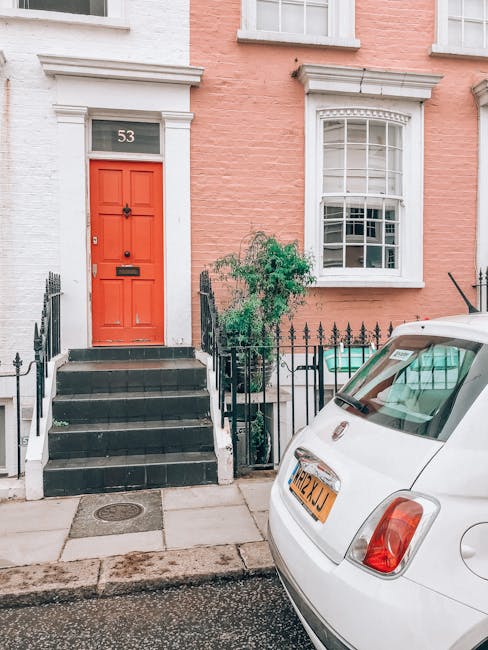
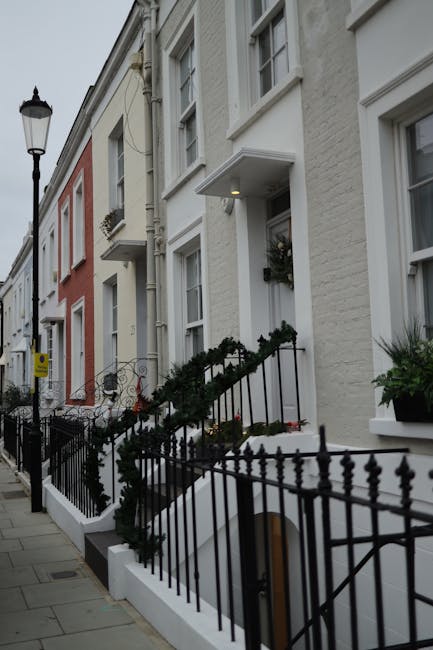
W11 has a particular moving personality. Many flats in and around Notting Hill and nearby streets come with charm, character and, let's be honest, staircases that seem designed before sofas existed. That matters because a three-bedroom flat is rarely a light lift. It usually means beds, wardrobes, mattresses, bookcases, white goods, boxes, plants, mirrors, and the odd item you forgot you owned until moving day.
The challenge is not just weight. It is shape, timing, access, and control. A bulky wardrobe can be awkward; a stairwell with a sharp turn can make it a planning problem. If you rush, you risk scuffed walls, strained backs, delayed access for neighbours, or a van load that takes twice as long as it should. If you plan properly, though, the whole move becomes a lot more manageable. That is the point here.
To be fair, many people only realise how tricky the stairwell is when the removal team is already at the door. Better to spot it on paper first. Measure the difficult bits, check the parking, and think through the route from the top floor to the van. The success is in the details, a bit boring maybe, but very real.
How 3-bed W11 flat move: tight stairs, big success Works
A successful flat move in W11 usually starts long before moving day. The process works best when you break it into access, packing, lifting, loading and timing. Each one affects the next. If the access is tight, the packing needs to be smarter. If the packing is smarter, the loading becomes faster. Simple enough, but it is amazing how often people skip a step.
First comes the access check. Stair width, head height, landings, bannisters, front-door clearance and street parking all shape the move. Then comes item planning: which furniture comes apart, which items need protection, and which boxes can be carried safely through narrow spaces. Only after that should the actual lifting begin.
In practical terms, a good removal team will usually use:
- protective blankets and covers for furniture and walls
- straps or trolleys where the stair layout allows it
- careful crew positioning for awkward turns
- clear labelling so boxes go into the right room first time
- a realistic schedule that allows for slower progress on tight sections
This is not about brute force. It is about sequencing. You want the heavy items out first or last only if that makes sense for the stair route, not because it sounds efficient in theory. Small difference. Big effect.
Key Benefits and Practical Advantages
When a three-bedroom flat move is handled well, the benefits go beyond simply getting from A to B. You get less disruption, less damage risk, and a calmer start in the new place. And after a day of lifting, that calm matters more than most people expect.
1. Less risk of damage
Tight stairs are where chipped corners, scratched paintwork and bent frames often happen. A careful plan reduces that risk. If a wardrobe needs partial dismantling before the move, that is a win, not a hassle. The same goes for wrapping mirrors or removing table legs in advance.
2. Better time control
Moves in W11 can overrun if access is underestimated. When the route is tight, the schedule has to reflect that. Good planning keeps the day moving and helps avoid frustration, especially if there are building rules about loading windows or lift access. Even a half-hour saved can feel like gold on moving day.
3. Less physical strain
Stairs are tiring. That is just the truth. If the route is awkward, the strain increases quickly. A smart setup protects people as much as belongings. It is one thing to carry a box. It is another to carry a box, twist at the landing and pretend your shoulder is fine. Spoiler: it probably is not.
4. A more organised arrival
With clear labelling, room-by-room placement and sensible packing, the new flat is easier to settle into. You can find bedding, kettle, chargers and cleaning items without opening twelve mystery boxes. A small victory, but a very welcome one.
5. Stronger value from the move itself
If you are comparing services, an efficient move often gives better overall value than a cheaper option that turns messy. The cheapest quote is not always the best fit, especially when access is awkward. There is a reason experienced teams ask questions up front. They are not being nosy. They are trying to avoid surprises.
Who This Is For and When It Makes Sense
This kind of move makes sense for anyone leaving or entering a three-bedroom flat in W11 where access is anything but straightforward. That includes period conversions, maisonettes, upper-floor flats, and buildings where the staircase feels narrow enough to need a second opinion.
It is especially relevant if you are:
- moving a family household with lots of furniture and storage items
- dealing with a top-floor flat and limited lift access
- moving antique, heavy, or delicate furniture
- working to a building time slot or parking restriction
- trying to keep the move as quiet and neighbour-friendly as possible
It also makes sense if you have already had the familiar thought: "That sofa looked smaller in the showroom." We have all seen that moment. The staircase is suddenly the main character.
If your move is smaller, a simpler service may be enough. But for a three-bed flat with narrow access, a more experienced approach is usually worth it. The aim is not just to transport items. It is to transport them cleanly, safely and with fewer pauses.
Step-by-Step Guidance
Here is the practical route to a smoother move. Nothing fancy. Just the sequence that tends to work.
- Assess the property first. Measure stair widths, note any tight corners, and check whether large items can be turned safely. Look at the front entrance too, because that often becomes the bottleneck.
- Sort the furniture list. Write down the bulky pieces, fragile items, and anything that must be dismantled. If you leave this until the night before, you will regret it.
- Confirm parking and loading access. In W11, street space can disappear quickly. Decide where the vehicle can stop, how far the carry is, and whether there are any building or council restrictions to work around.
- Pack with access in mind. Use smaller boxes for books, separate fragile items, and avoid overfilling. A box that is too heavy becomes a stair problem very fast.
- Protect both the home and the furniture. Wrap corners, cover upholstery, and protect bannisters or walls where needed. It is cheaper than repairing damage later.
- Load in the right order. Put large, awkward items on the van first if that helps maintain structure. Keep essentials accessible if they will be needed first at the new place.
- Do a final room check. Look in cupboards, behind doors, in the airing cupboard, on shelves, and under beds. People forget things in the oddest places, especially in busy flats.
A useful tip: keep a separate "first night" bag. Kettle, mugs, phone charger, toilet roll, basic toiletries, snacks, and a change of clothes. Sounds obvious. Still gets forgotten all the time.
Expert Tips for Better Results
In our experience, the best moves are the ones that look almost uneventful from the outside. That is usually the result of a few sensible habits done properly.
Measure the awkward parts, not just the rooms
People often measure bedrooms and living rooms but forget the actual challenge: the stairwell, the turn, the landing, the door swing, the rail. Those are the real decision points. If a bed frame cannot pivot at the top of the stairs, you want to know that before moving day. Not during it.
Use the right box sizes
Big boxes are tempting, but on stairs they become annoying very quickly. Smaller, manageable boxes are easier to stack, carry and pass through tight areas. Books especially should go in smaller boxes. Your back will thank you later. Probably in silence, but still.
Pre-dismantle what you safely can
Bed frames, removable table legs, and modular shelving often move far better when taken apart. Keep screws and fittings in labelled bags taped to the item or packed in a clearly marked box. It saves time and reduces the chance of losing the one bit you need most.
Protect the route, not just the item
Wall corners and bannisters matter. A move can go perfectly for the furniture and still leave marks on the stairwell if the route is unprotected. That is the kind of detail people remember afterwards, usually with a slightly annoyed tone.
Have one person calling the shots
Multiple people giving instructions on a narrow staircase? No thanks. One clear point of direction helps keep the move calm and safe. It does not need to be dramatic. Just clear.
Expert summary: For a tight-stair flat move, the biggest gains usually come from better measurement, smarter packing, and realistic timing. Not from rushing. Not from guesswork. Those small decisions add up.
Common Mistakes to Avoid
Some mistakes show up again and again. Most are avoidable, which is mildly annoying and very useful at the same time.
- Underestimating access. A staircase that looks "fine" can still be a problem once furniture is in motion.
- Packing heavy boxes too full. That is one of the fastest ways to slow the whole job down.
- Forgetting parking and loading space. A perfect packing plan can unravel if the van has nowhere sensible to stop.
- Leaving dismantling until the last minute. It makes the day harder than it needs to be.
- Not labelling boxes clearly. This creates wasted time at the new flat, especially when everyone is tired.
- Choosing a mover without asking about access experience. Tight stairs are a skill-based problem, not just a labour problem.
One small but common issue: people focus on the items and forget the building. In W11 flats, the building itself is part of the move. Treat it that way and you avoid a lot of trouble.
Tools, Resources and Recommendations
You do not need a van full of fancy gadgets to make this work, but a few practical tools help a lot. The right equipment makes the job cleaner and safer, especially on stairs.
| Tool or resource | Why it helps | Best use |
|---|---|---|
| Furniture blankets | Protects surfaces from scratches and knocks | Wardrobes, tables, cabinets, TVs |
| Stretch wrap | Secures drawers, doors and loose parts | Dressers, shelving, mattress protection |
| Strong tape and labels | Keeps boxes organised and easy to identify | Packing and room-by-room placement |
| Tools for dismantling | Helps remove legs, shelves or bed parts safely | Flat-pack and modular furniture |
| Non-slip gloves | Improves grip on heavy or awkward items | Stair carry and loading |
| Floor and corner protection | Reduces scuffs in the property | Narrow hallways and stairwells |
If you are deciding what type of help to book, it can be useful to compare moving styles. Some people only need a man and van service for lighter loads, while a full home move may be more suitable for a larger 3-bed flat with awkward access. If you want to see how that choice is usually framed, the guide on man-and-van versus full removals in Notting Hill is a helpful starting point.
You can also read more about broader home moves if you want a wider view of what a residential move should include. That context helps when you are trying to decide whether you need a simple carry, a full removal, or something in between.
Law, Compliance, Standards and Best Practice
For a flat move in W11, the most relevant compliance points are usually practical rather than dramatic. The key is to work safely, respect the building, and avoid causing unnecessary disruption. That means handling lifting properly, using sensible protective measures, and following any building access rules that apply on the day.
Good practice typically includes:
- reasonable manual handling procedures to reduce injury risk
- appropriate insurance arrangements for goods in transit and public-facing work
- clear communication about access times, parking, and building rules
- careful handling of communal areas, walls, floors and stairwells
If you are comparing providers, it is sensible to ask about insurance and safety and to check how they approach risk around tight access. A reputable team should be able to explain how they protect belongings and the property itself without making it sound like rocket science.
There is also a broader trust element. Transparent terms, clear pricing, and a straightforward booking process help you understand what is included. If you are comparing options, the pages on pricing and quotes and terms and conditions can help set expectations before the day arrives.
Options, Methods and Comparison Table
Not every flat move needs the same approach. The right method depends on the amount of furniture, the access challenges, and how much help you want on the day. Here is a simple comparison.
| Approach | Best for | Pros | Limitations |
|---|---|---|---|
| Self-move | Small loads, minimal furniture | Lower direct cost, full control | Hard work, higher strain, slower on tight stairs |
| Man and van | Moderate loads, flexible local moves | Quick to arrange, often practical for access-limited flats | May not suit very large or complex moves without extra planning |
| Full removal service | Larger homes, heavy furniture, complex access | More hands, better for tricky staircases, more structured process | Usually higher cost than a basic van-only option |
The right choice is not always the biggest one. Sometimes the most suitable service is the one that matches your route, not your ego. That sounds obvious, but on moving day people do odd things. Suddenly everything is "manageable" until the wardrobe reaches the first landing.
Case Study or Real-World Example
Here is a realistic example based on the sort of move people often face in W11.
A family is moving from a third-floor flat in a Victorian conversion near Notting Hill. The staircase is narrow, with a tight bend halfway up and a front entrance that opens onto a busy street. The flat has three bedrooms, a dining table, two wardrobes, beds, white goods, and around more boxes than anyone wants to count on a Sunday morning.
Before moving day, the bulky wardrobe is partially dismantled, mattresses are wrapped, and the boxes are labelled by room. The team checks the stair width, protects the corners, and agrees the loading point in advance. The move takes longer than a ground-floor job would, of course. But it stays controlled. No panicked lifting, no guesswork at the landing, no last-minute furniture gymnastics. Just steady progress, a few deep breaths, and a lot of careful carrying.
By the end, the family is in. The beds are up. The kettle works. Boxes are stacked in the right rooms. It is not glamorous, but it is exactly what success looks like in a tight-stair flat move. Quiet competence. That is the real win.
Practical Checklist
Use this checklist in the days before your move. Keep it simple and do not overcomplicate it.
- Measure stair widths, landings and key corners
- Check whether large furniture needs dismantling
- Confirm parking and loading access
- Label boxes by room and priority
- Pack heavy items in smaller boxes
- Wrap fragile items and protect furniture edges
- Set aside a first-night bag
- Keep tools, tape and basic supplies ready
- Notify the building if access rules apply
- Walk through the flat once more before leaving
If you want a calmer moving day, a bit of preparation goes a long way. It really does. Little things, done early, save the big headaches later.
Conclusion
A 3-bed W11 flat move with tight stairs is one of those jobs that looks straightforward from a distance and then gets interesting very quickly. But that is exactly why planning matters. When you measure carefully, pack smartly, protect the route, and choose the right moving method, the whole day becomes far less stressful.
The best outcomes usually come from practical thinking, not heroics. A good move is rarely dramatic. It is smooth, safe, and surprisingly unremarkable in the moment. And that is a good thing. Really.
Get a free quote today and see how much you can save.
With the right preparation, even the narrowest staircase can be part of a successful move rather than the thing everyone remembers for the wrong reasons.
Frequently Asked Questions
How do you move a 3-bed flat with tight stairs safely?
You start with measurement and planning. Check the stairwell, landings, door swings and parking before moving day, then pack and dismantle furniture where needed. Safety comes from reducing surprises, not from trying to push through them.
Is a man and van service enough for a W11 flat move?
Sometimes yes, especially if the load is moderate and the furniture is manageable. For a larger three-bedroom flat with awkward access, though, a fuller removal setup may be more efficient and less stressful.
What furniture is usually hardest to move on narrow stairs?
Large wardrobes, mattresses, sofas, dining tables and awkward bookcases are common troublemakers. Items with odd dimensions or fragile finishes are the ones that need the most care.
Should I dismantle furniture before the move?
If it can be safely dismantled, usually yes. Removing legs, shelves or bed frames often makes the job much easier and lowers the risk of damage in tight areas.
How far in advance should I book a removal service in W11?
The earlier the better, especially if you need a specific date or are moving in a busy period. Tight-stair moves benefit from early planning because access questions can be sorted before the day arrives.
What should I do about parking for the moving van?
Check the nearest safe loading point and whether any restrictions apply. In busy parts of W11, parking can shape the whole timetable, so it is worth sorting out in advance rather than hoping for the best.
How can I protect the walls and bannisters during the move?
Use protective covers, keep the route clear, and make sure the crew is moving carefully on the turns and landings. The stairwell is part of the job, so it should be protected like everything else.
What if my sofa will not fit around the stair corner?
That is where prior measurement matters. Some sofas can be angled, partially dismantled, or moved vertically with care, but not all can. If you know this early, you can plan a better solution instead of discovering it halfway up the stairs.
Do removal companies usually provide insurance?
Many do, but the level and scope can vary. It is wise to ask directly what is covered before you book, especially for fragile or high-value items. Clear answers are better than vague reassurance.
How do I make moving day less stressful for my family?
Keep essentials separate, label clearly, and make sure children or pets are arranged safely away from the main route. A calm start helps a lot. So does a kettle and a clean mug, honestly.
What is the biggest mistake people make with tight-stair flat moves?
Underestimating the access challenge. People focus on the number of boxes and forget the staircase, which is often the real reason a move takes longer or feels harder than expected.
Can a three-bedroom flat move be done in one day?
Often yes, depending on access, packing readiness and how much furniture needs dismantling. A well-prepared move in W11 can be completed in a day, but a tight staircase may slow things down a little. That is normal.